Cedar Coffee Table

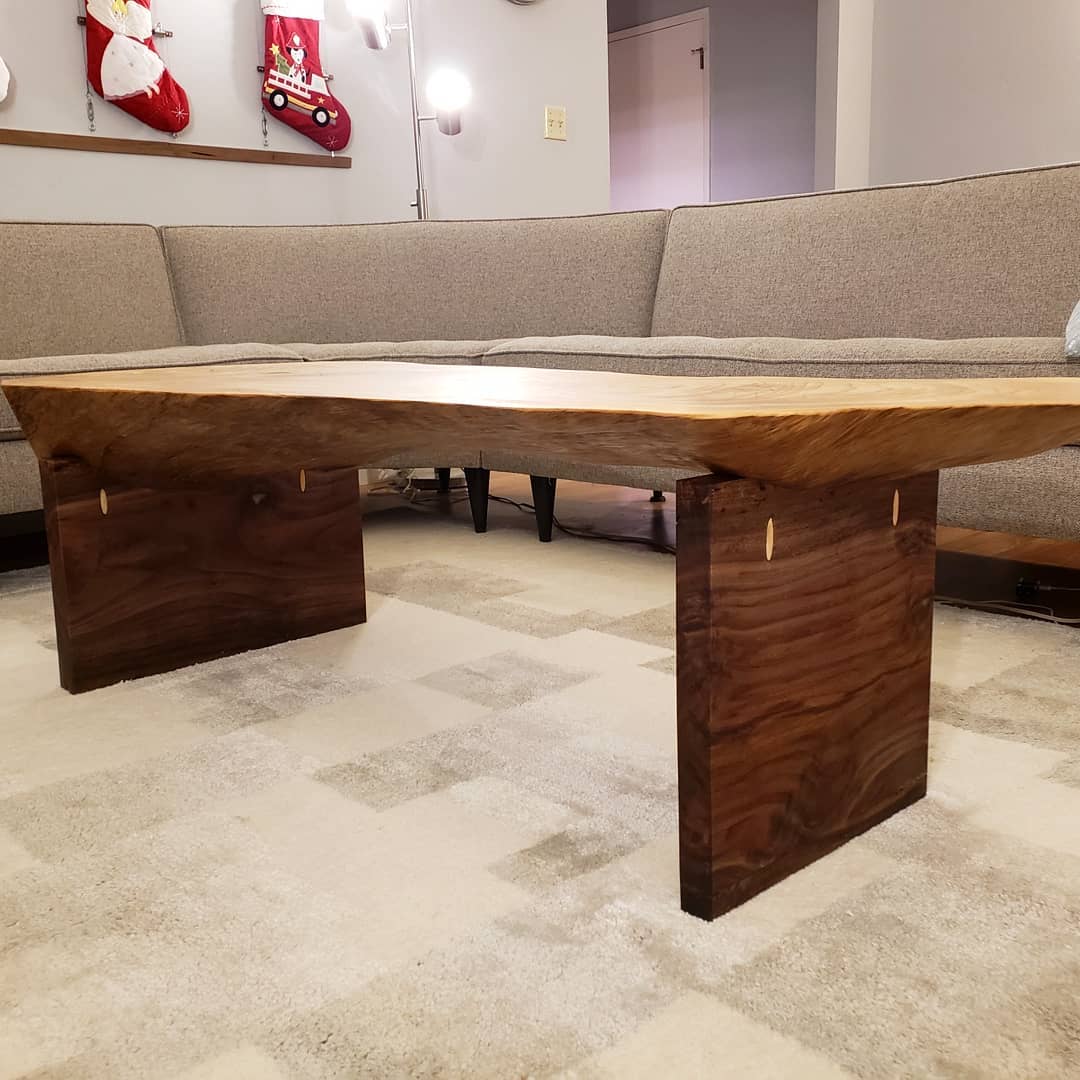
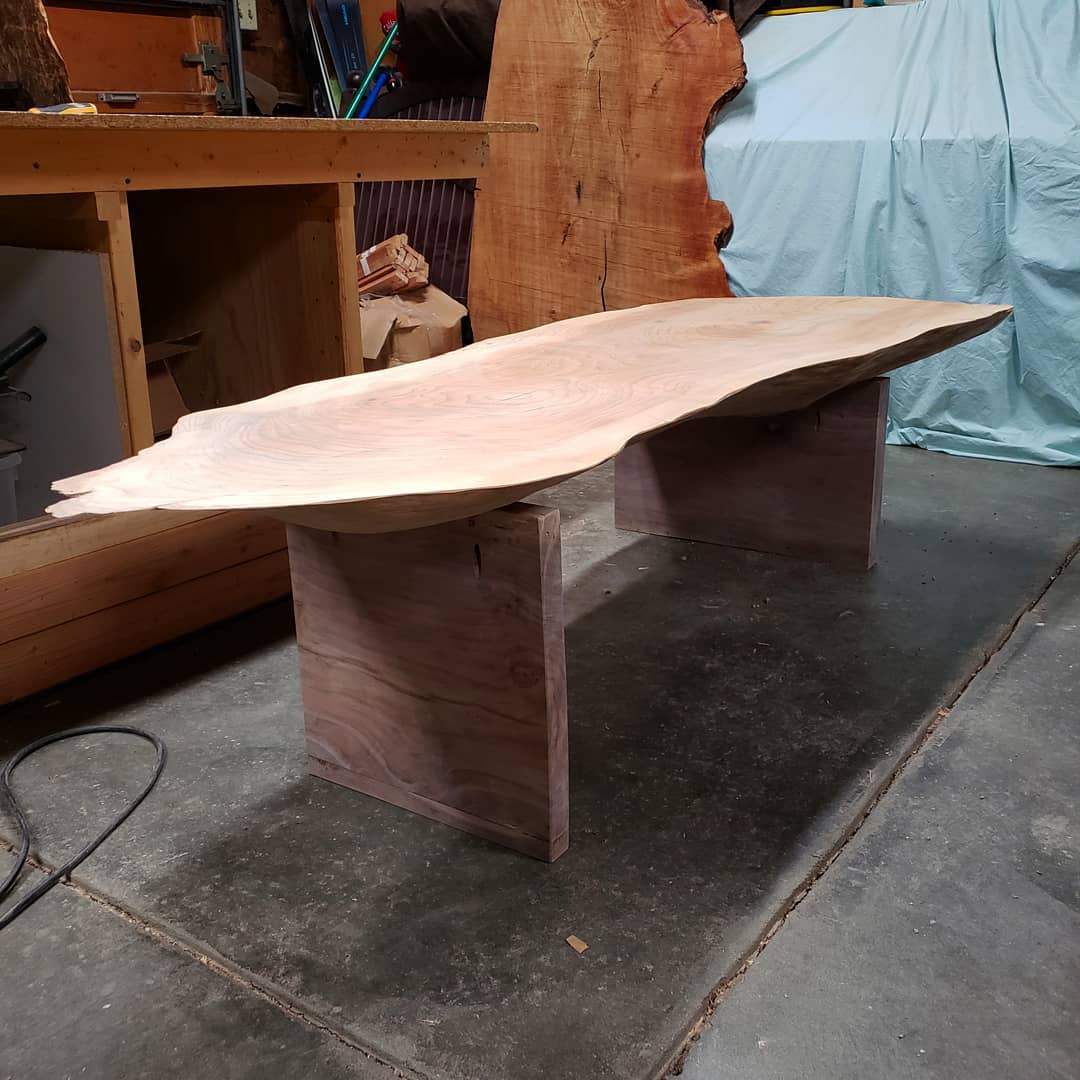
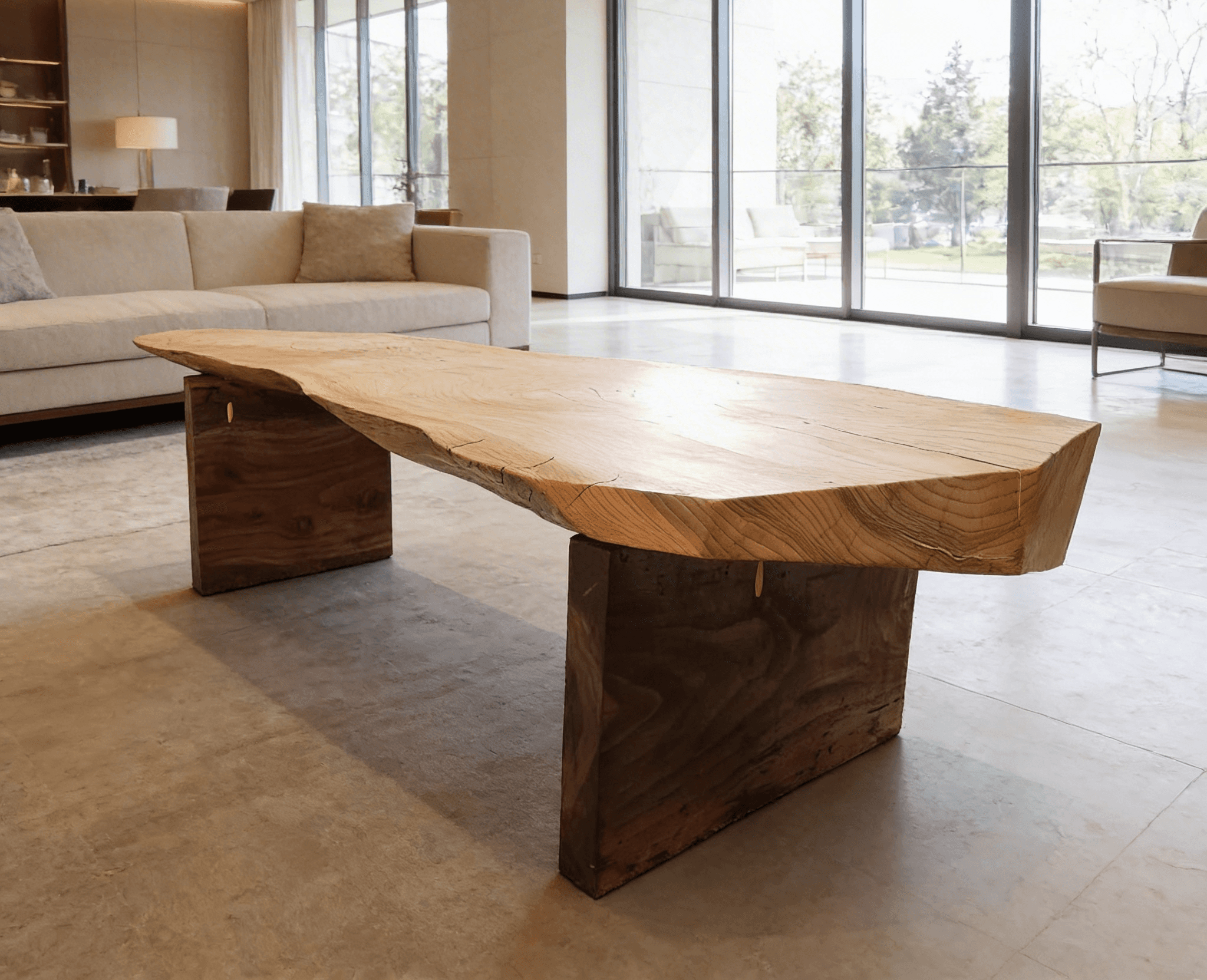
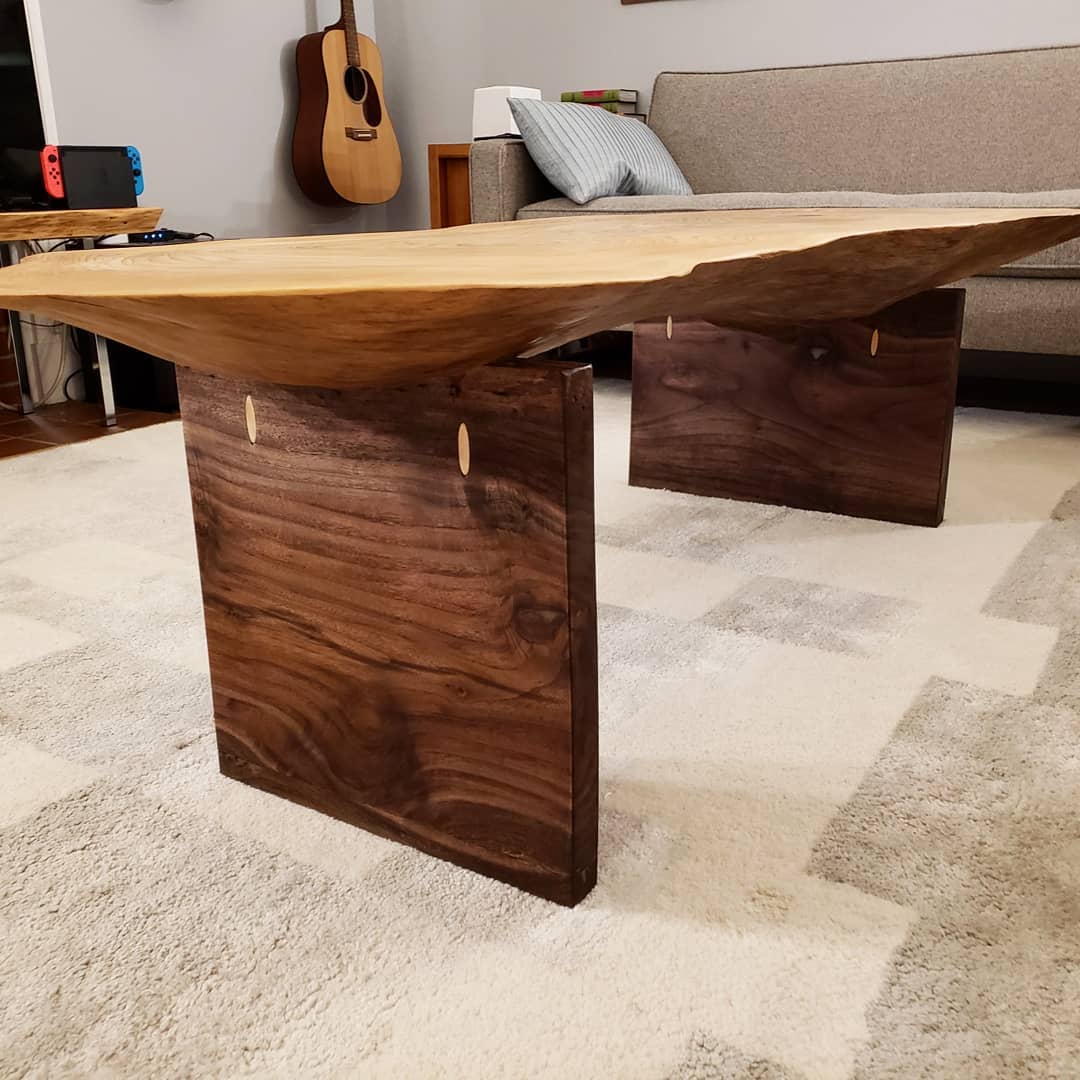
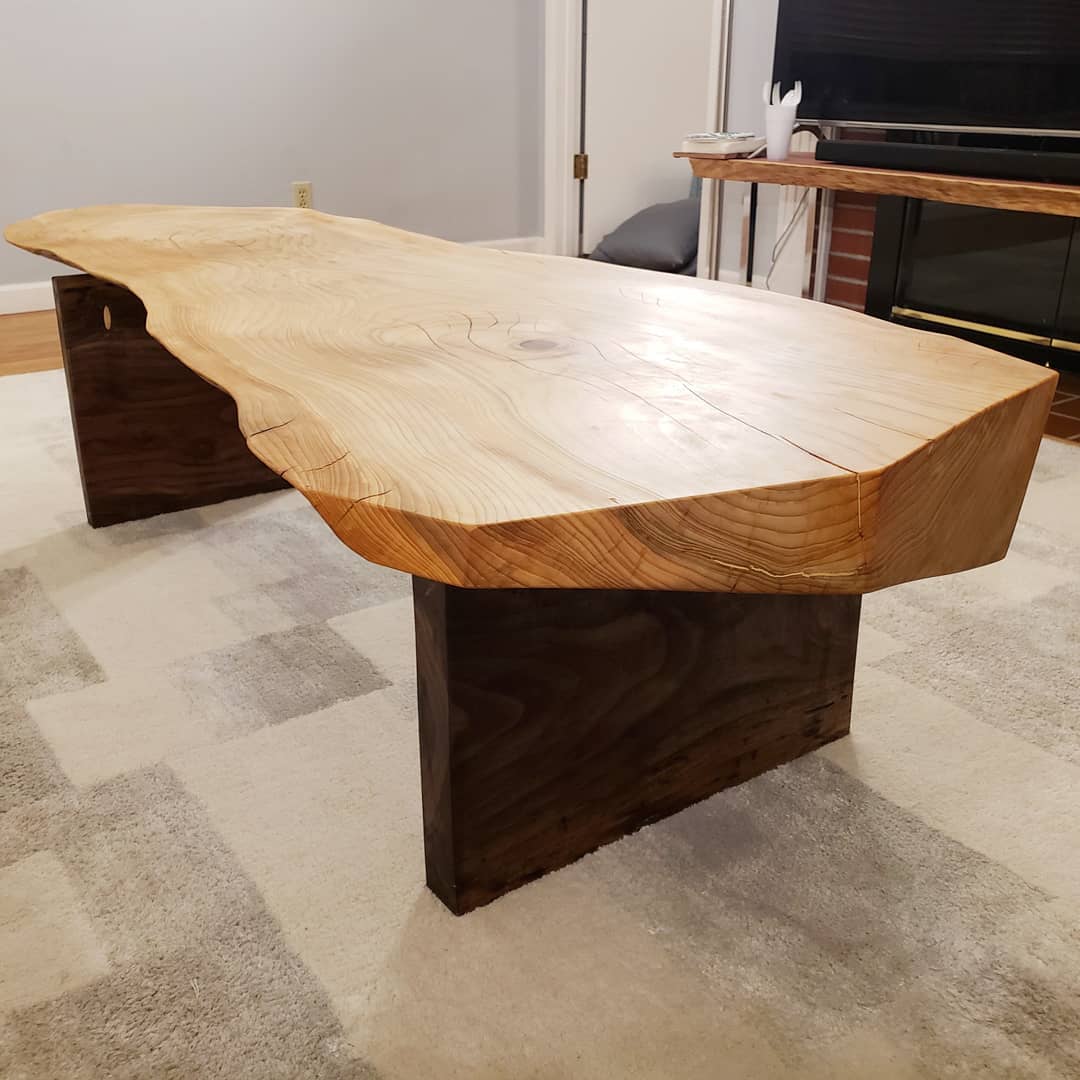
This coffee table is a cross-section of a cedar tree — not just live-edged, but live-bottomed too. Run your hand beneath it and you're touching the side of a tree; that's the kind of hidden detail we live for. It still carries the cedar's natural fragrance, as though it just came from the forest. Two solid walnut blocks ground it firmly to the floor — what looks sculptural and happenstance is also firmly fixed and functional.

Dec 3, 2018

Cedar Coffee Table

This coffee table is a cross-section of a cedar tree — not just live-edged, but live-bottomed too. Run your hand beneath it and you're touching the side of a tree; that's the kind of hidden detail we live for. It still carries the cedar's natural fragrance, as though it just came from the forest. Two solid walnut blocks ground it firmly to the floor — what looks sculptural and happenstance is also firmly fixed and functional.

Dec 3, 2018

Cedar Coffee Table

This coffee table is a cross-section of a cedar tree — not just live-edged, but live-bottomed too. Run your hand beneath it and you're touching the side of a tree; that's the kind of hidden detail we live for. It still carries the cedar's natural fragrance, as though it just came from the forest. Two solid walnut blocks ground it firmly to the floor — what looks sculptural and happenstance is also firmly fixed and functional.

Dec 3, 2018

CLIENT

Self

DESIGN

Bo Moon

CRAFT

Bo Moon

PRICE

TBD

CLIENT

Self

DESIGN

Bo Moon

CRAFT

Bo Moon

PRICE

TBD

Cedar & Walnut Coffee Table

Gallery

Gallery

This coffee table resists easy reading — one end abruptly angular, the other organically raw, its thickness shifting from pencil-thin to substantial along the way. Every angle offers a different silhouette, a sense of movement frozen in wood. And yet for all that dynamism, it doesn't budge an inch. Put your feet up. It's made for exactly that.
Build Details

Build Details

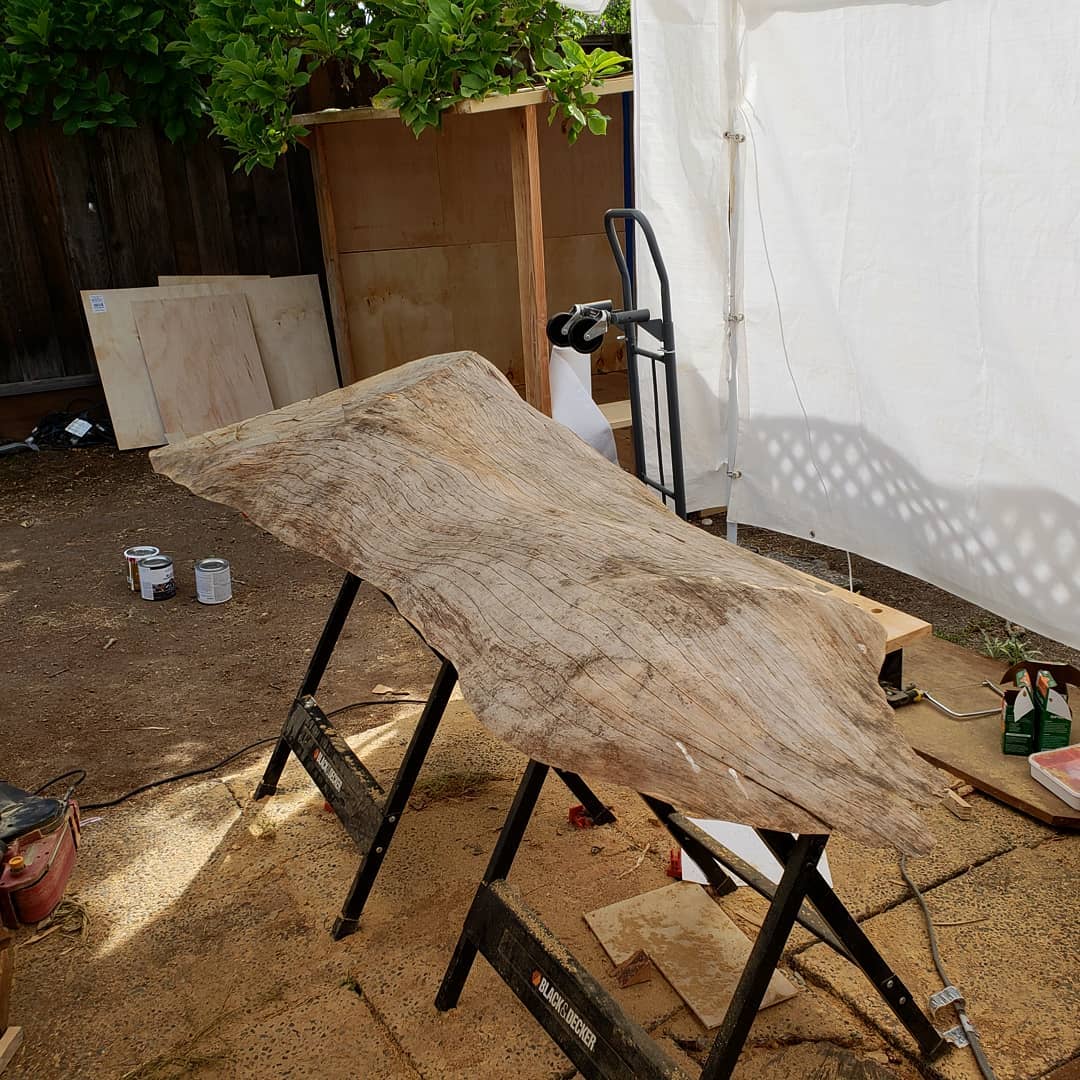
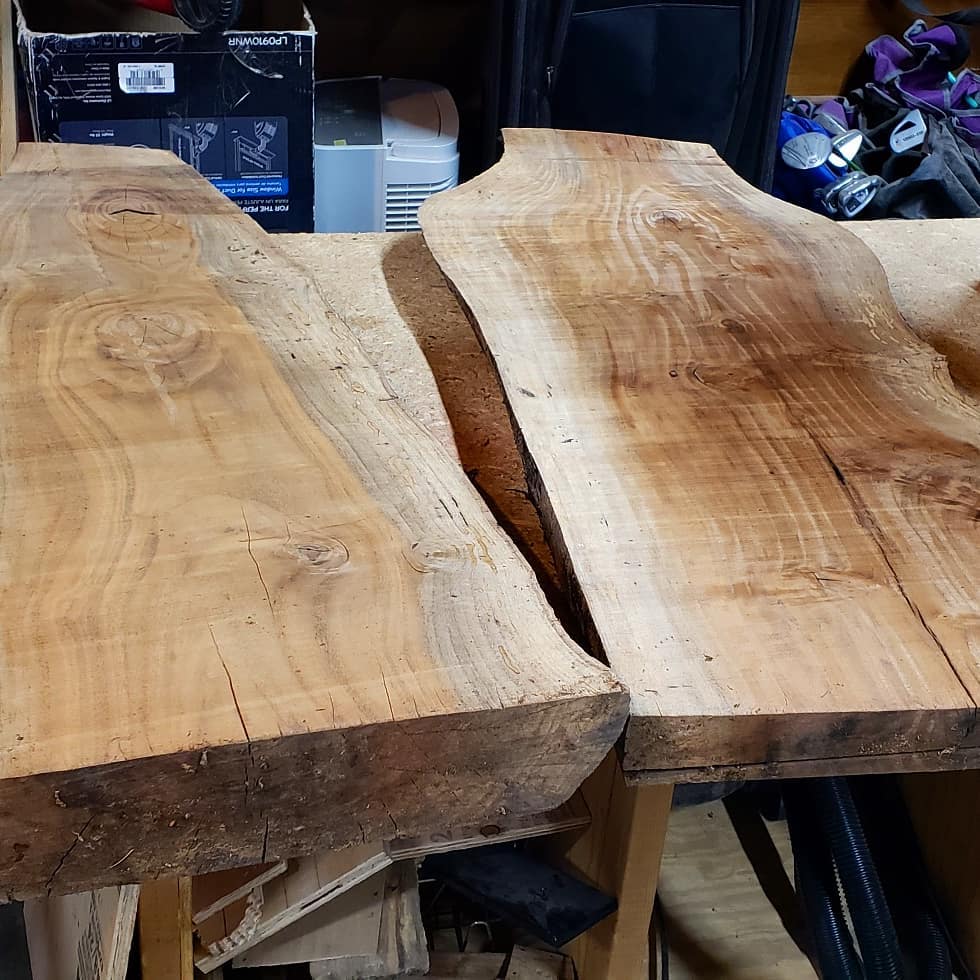
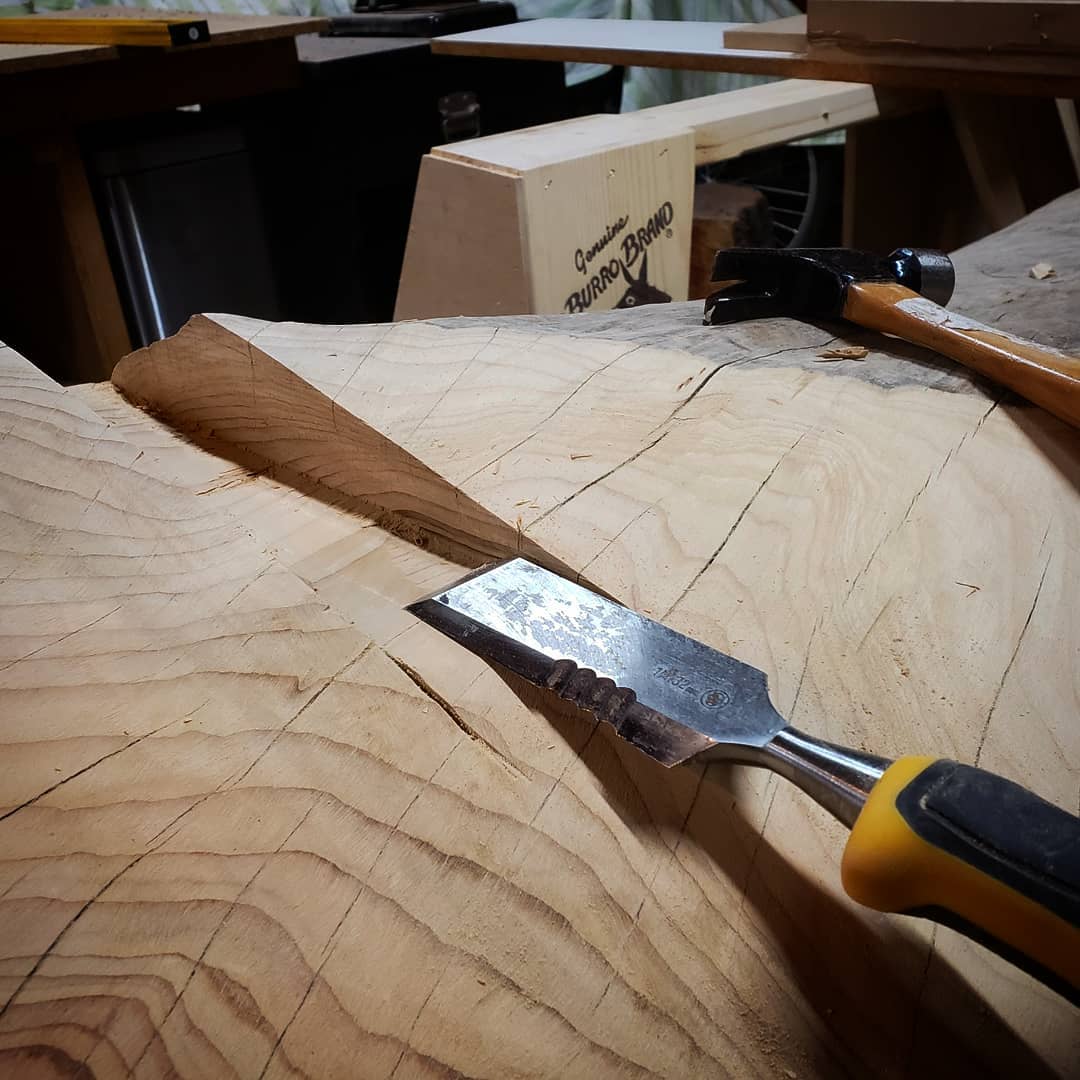
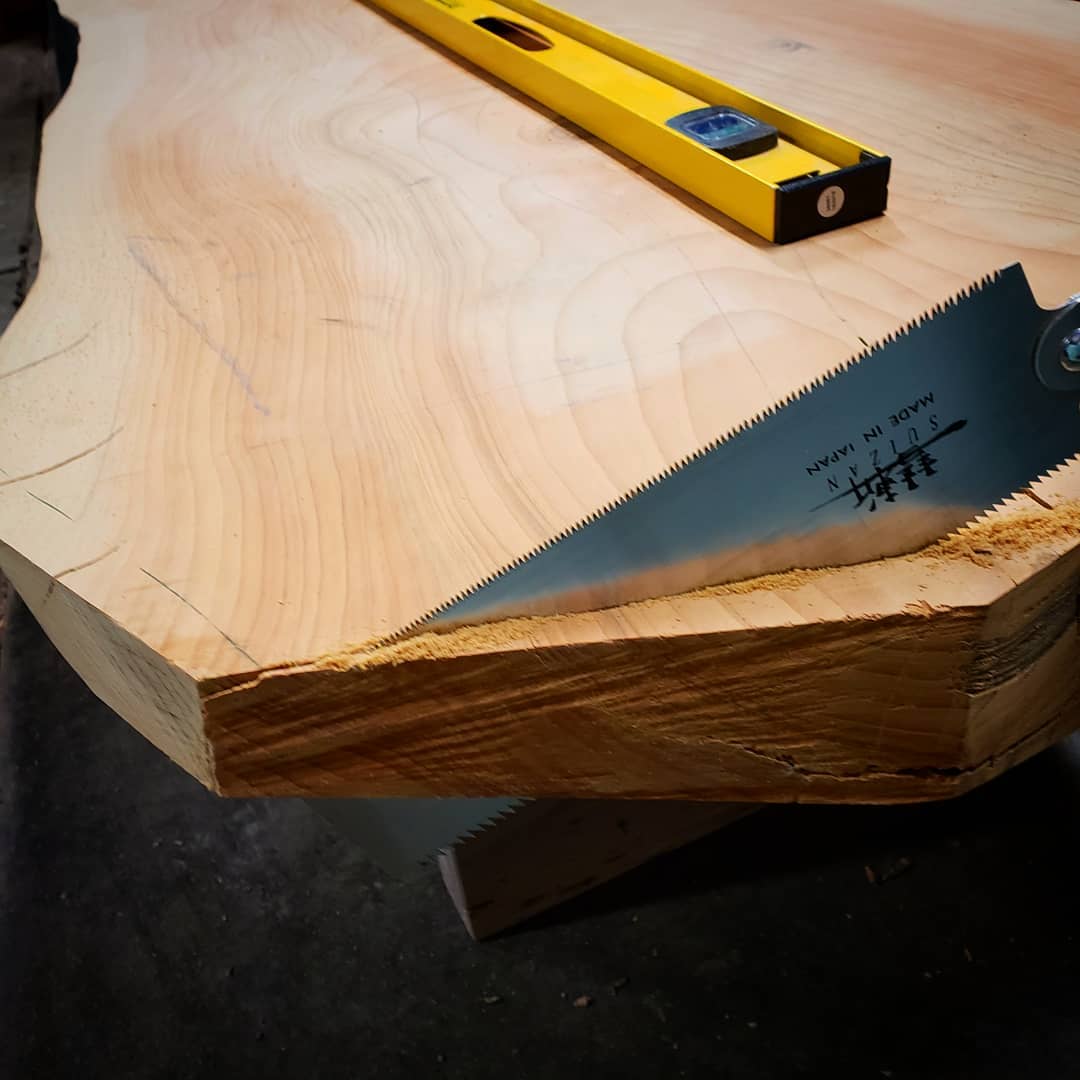
This coffee table began as a throwaway — an end piece left over from slabbing a cedar trunk, used only to protect the good lumber stacked below it. But the moment it was spotted, the table inside it was obvious: that tactile secret of the trunk's surface, invisible from above but right there beneath your fingertips. The top was flattened, two walnut slabs notched in to anchor it, and then came the one decisive moment — a single cut with a Japanese saw that gave the angular end its final profile.